
How to Spot a Storm Chaser
Learn how North Georgia homeowners can spot storm chasers, avoid roofing scams, and choose a trusted local contractor before signing a roof repair contract.
What North Georgia Homeowners Need to Know Before Signing a Roofing Contract
When severe weather hits North Georgia, homeowners often start seeing unexpected roofing ads, door-to-door sales pitches, and urgent offers for “free inspections.” Some of those contractors are legitimate, but others are storm chasers — out-of-town companies that arrive after hail, wind, or tornado damage and try to lock in work before homeowners can properly compare options. Georgia officials warn that home repair fraud often rises after major storms, so it is important to slow down, ask questions, and verify every contractor before signing anything.
A good roofing contractor will welcome your questions, provide clear written information, and give you time to review the proposal. A storm chaser usually does the opposite. They rely on urgency, pressure, and confusion to get a signature quickly, often before the homeowner understands the full scope of the damage, the cost of the repair, or the terms of the agreement.

Why Storm Chasers Target North Georgia
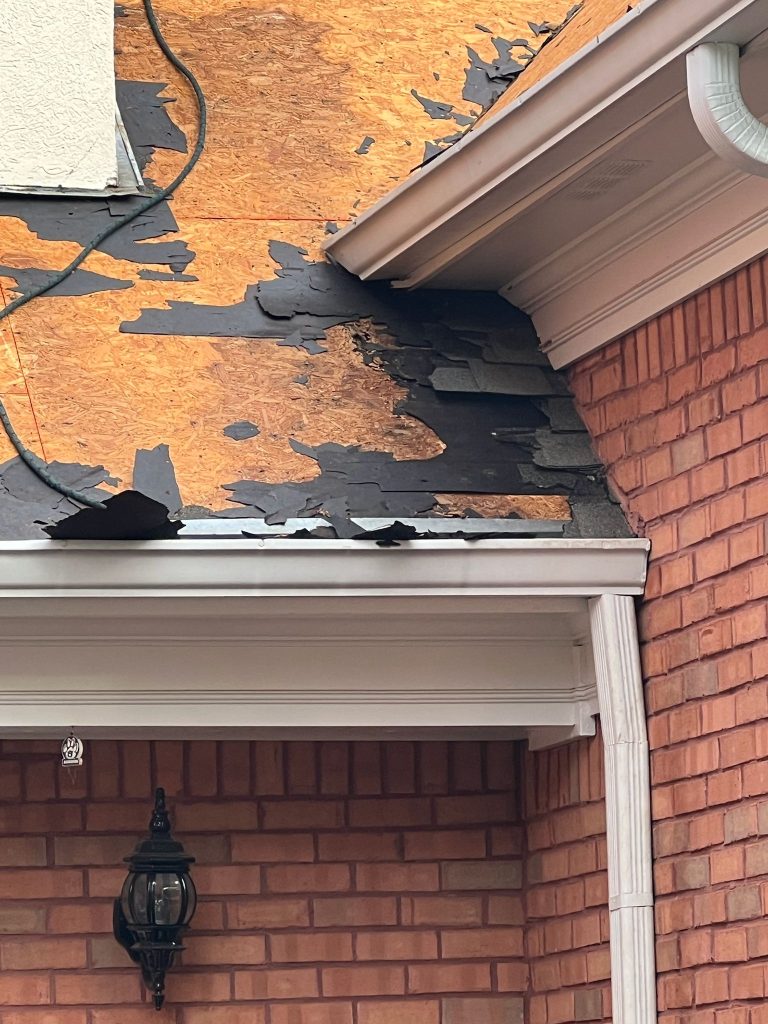
North Georgia is especially vulnerable after hailstorms, heavy wind events, and tornado damage because roofs can suffer problems that are not always obvious from the ground. After a storm, homeowners are understandably concerned about leaks, missing shingles, or hidden structural damage, and that urgency creates the perfect opening for scammers.
Storm chasers often move from one storm-hit area to another and do not always have a real local presence. They may use temporary phone numbers, rented office space, or no physical address at all. In many cases, they are already planning to leave town once the first wave of jobs is collected, which makes it harder for homeowners to reach them if problems arise later.
That is why local accountability matters so much. A North Georgia homeowner needs a roofer who will still be around after the job is complete, especially if questions come up about workmanship, materials, or warranty coverage.

Common Red Flags
One of the biggest signs of a storm chaser is pressure. If a roofer appears right after a storm and insists you need to sign immediately, that should make you cautious. Legitimate contractors understand that homeowners need time to review an estimate, ask questions, and compare bids.
Another warning sign is a demand for full payment upfront. Georgia consumer guidance warns homeowners to be skeptical of contractors who ask for cash payments, full payment before work is complete, or other unusual payment arrangements. A trustworthy contractor should have a clear payment schedule in writing.
You should also be careful if someone offers to cover your insurance deductible or promises “no-cost” repairs. Georgia officials specifically warn that these offers can be signs of fraud. In some cases, that tactic is used to hide the true project cost or misrepresent the claim process.
Other red flags include:
- No physical business address.
- No proof of insurance.
- No local references or reviews.
- A bid that is much lower than other estimates.
- Refusal to provide written details about the project.
If any of those signs show up together, it is usually best to walk away.
Questions To Ask Before Signing
Before signing a roofing contract, ask for the company’s full legal name, local address, and contact information. You should also request proof of insurance, references from recent jobs, and a detailed written estimate.
It is also smart to ask about materials, labor, timeline, warranties, and who will actually be doing the work. Some homeowners assume the salesperson they meet will be the same person overseeing the project, but that is not always the case. A reputable company will explain the entire process clearly and in writing.
You should never feel rushed into signing on the spot. In fact, one of the simplest ways to protect yourself is to get at least three written estimates. That gives you a much better sense of the market rate, the differences in materials, and whether one contractor is trying to overcharge or pressure you into a fast decision.
Why Local Experience Matters
Choosing a local roofing company can make a big difference after a storm. Local contractors are easier to verify, easier to reach, and more likely to stand behind their work over time. They also depend on their reputation in the community, which gives them a stronger reason to deliver quality service.
Storm chasers, by contrast, often rely on speed and volume rather than long-term trust. They may not care whether you call them again six months later, because they are already moving on to the next storm-damaged area. That is why homeowners in North Georgia should prioritize contractors who are established, local, and transparent about their business practices.
A local company should be willing to inspect the roof carefully, explain whether the damage is repairable or requires replacement, and help you understand your options without pressure. That kind of service is a much better fit for homeowners who want peace of mind and reliable results.
What Georgia Homeowners Should Know
Georgia homeowners should know that storm-related repair fraud is taken seriously. State consumer guidance warns residents to be skeptical of contractors who offer to pay deductibles or make unrealistic promises after a storm. These offers may sound helpful in the moment, but they can create bigger problems later with both your roof project and your insurance claim.
It is also important to contact your insurance company before agreeing to repairs. That gives you a chance to understand the claim process, document the damage properly, and avoid making a decision based only on a salesperson’s pitch. If a contractor discourages you from involving your insurer or pushes you to sign before you have spoken with your carrier, that is another red flag.
Homeowners should also remember that a contract is a legal document. Once you sign, you may be committed to the scope, price, timeline, and payment terms listed in it. That is why it is so important to read every line carefully and make sure the terms match what you discussed verbally.

Frequently Asked Questions
How can I tell if a roofer is a storm chaser?
Watch for pressure tactics, no local address, no proof of insurance, upfront payment demands, and promises that sound too good to be true.
Should I sign a contract right after a storm inspection?
No. Georgia consumer guidance recommends comparing bids, checking references, and reviewing the details carefully before signing.
Is it okay if a roofer offers to cover my deductible?
No. Georgia officials warn that deductible-related offers can be a sign of fraud.
How many estimates should I get?
At least three written estimates is the safest approach.
What should be included in a roofing contract?
The contract should include the scope of work, materials, payment schedule, timeline, warranties, and business contact information.
How HD Pro Roofing Can Help
At HD Pro Roofing, we believe homeowners deserve honest guidance after storm damage. That means a clear inspection, a straightforward explanation of the findings, and a written proposal that spells out what needs to be done. It also means giving you time to make the right decision for your home, your budget, and your family.
If your North Georgia home has recently been hit by hail, wind, or another severe weather event, the safest next step is to have the roof evaluated by a contractor you can trust. Do not sign anything under pressure, do not agree to vague terms, and do not assume every company knocking on your door has your best interest in mind.
A roofing contract should protect you, not trap you. The more information you have before signing, the better your chances of avoiding a costly mistake.
Our Service Area
HD Pro Roofing proudly offers dependable roof repair services throughout Arcade, Avondale Estates, Berkeley Lake, Braselton, Brookhaven, Buford, Chamblee, Clarkston, Clermont, Commerce, Cumming, Dacula, Decatur, Doraville, Duluth, Dunwoody, Fairburn, Flowery Branch, Gainesville, Grayson, Hapeville, Hoschton, Jefferson, Johns Creek, Lawrenceville, Lilburn, Lithonia, Loganville, Milton, Nicholson, Norcross, North Decatur, Oakwood, Peachtree Corners, Pendergrass, Pine Lake, Redan, Roswell, Sandy Springs, Scottdale, Snellville, Stone Mountain, Stonecrest, Sugar Hill, Suwanee, Talmo, Tucker, Union City and the surrounding Georgia communities. From minor leaks to storm damage and missing shingles, our skilled team quickly identifies issues and provides lasting repairs to protect your home. Don’t let small problems turn into costly damage—contact HD Pro Roofing today to schedule your roof repair service and restore your peace of mind!