

Why Kennesaw Roofs Face Unique Challenges
Kennesaw sits in a high-demand weather corridor within Metro Atlanta, creating roofing conditions that require durable materials and proactive maintenance.
Hail and Severe Storms
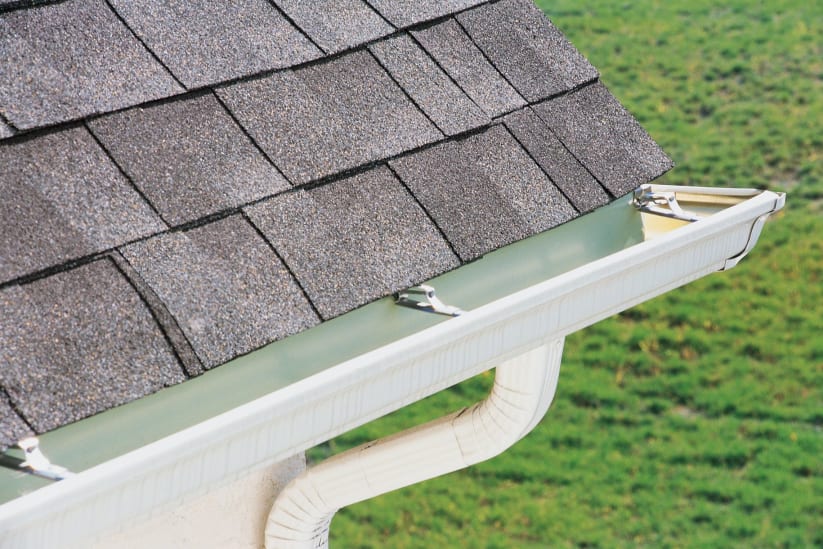
According to weather tracking data, the Kennesaw area has experienced frequent severe weather activity over the past year, including dozens of severe thunderstorm warnings and multiple hail-producing storms detected across Cobb County and nearby communities. Hail events are common throughout the Kennesaw corridor, with some storms producing hail large enough to crack shingles, dent flashing, damage gutters, and weaken roofing materials. One of the biggest concerns with hail damage is that it often goes unnoticed from the ground. Granule loss on asphalt shingles — which protects the roof from UV exposure and weather deterioration — may not create obvious visible damage right away. Instead, it can lead to accelerated aging, weakened shingles, and leaks that develop months or even years later. After any significant storm in Kennesaw, a professional roof inspection is the best way to identify hidden damage before it turns into a more costly roofing issue.
High Winds and Heavy Tree Coverage
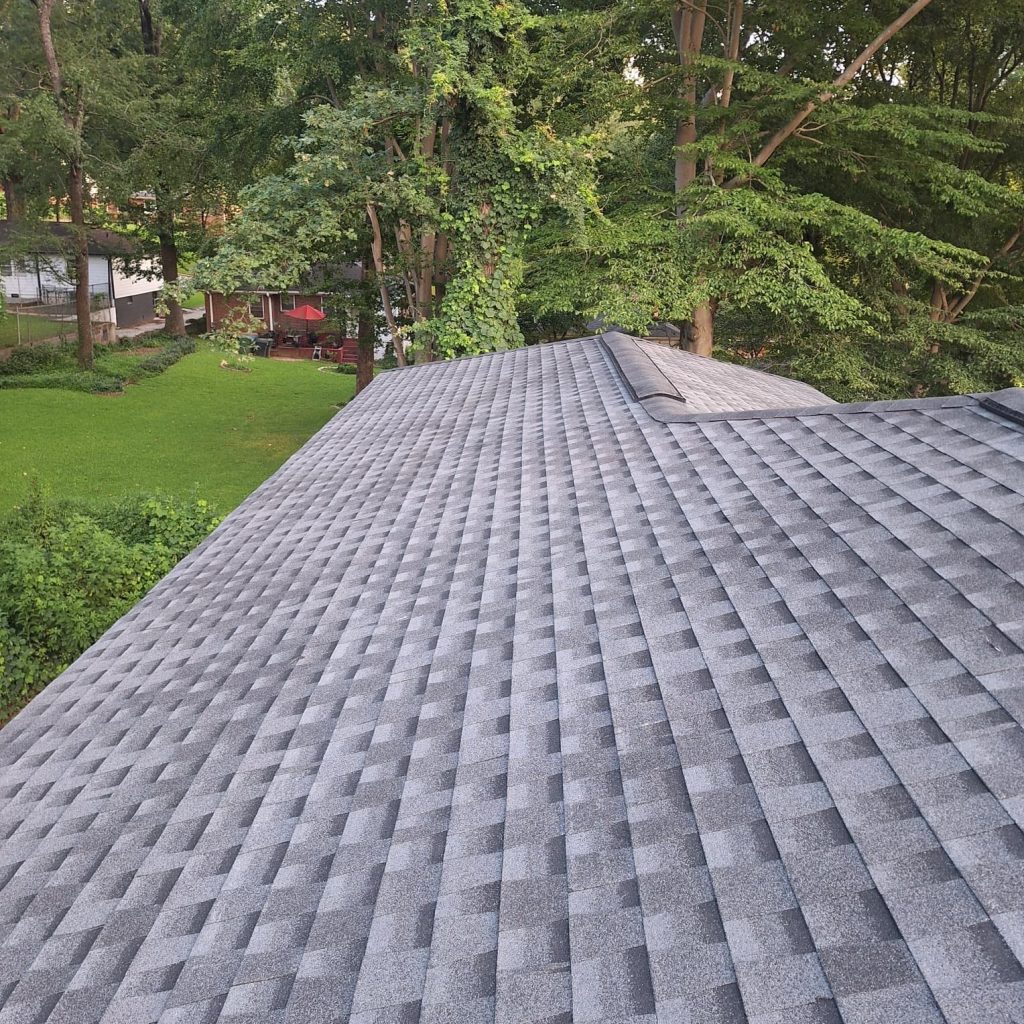
Kennesaw is known for its wooded neighborhoods, especially around Kennesaw Mountain and established residential areas. While beautiful, this tree coverage increases risk during wind events. Falling branches, lifted shingles, and debris impact are among the most common post-storm roofing issues we see in this area.
Georgia Heat and Humidity
Hot summers and persistent humidity accelerate roof wear across Kennesaw. Heat causes shingle breakdown over time, while trapped moisture from minor leaks can quickly lead to mold growth in attic spaces if not addressed early.
Housing Age in Kennesaw
Many homes in Kennesaw and surrounding North Cobb neighborhoods were built between the late 1970s and early 2000s. Roof systems in this age range are often nearing the end of their functional lifespan. Even if they appear fine from the street, underlying deterioration is common once roofs pass 20–25 years.